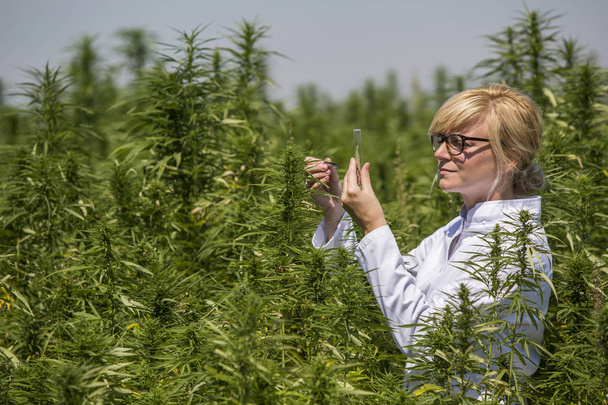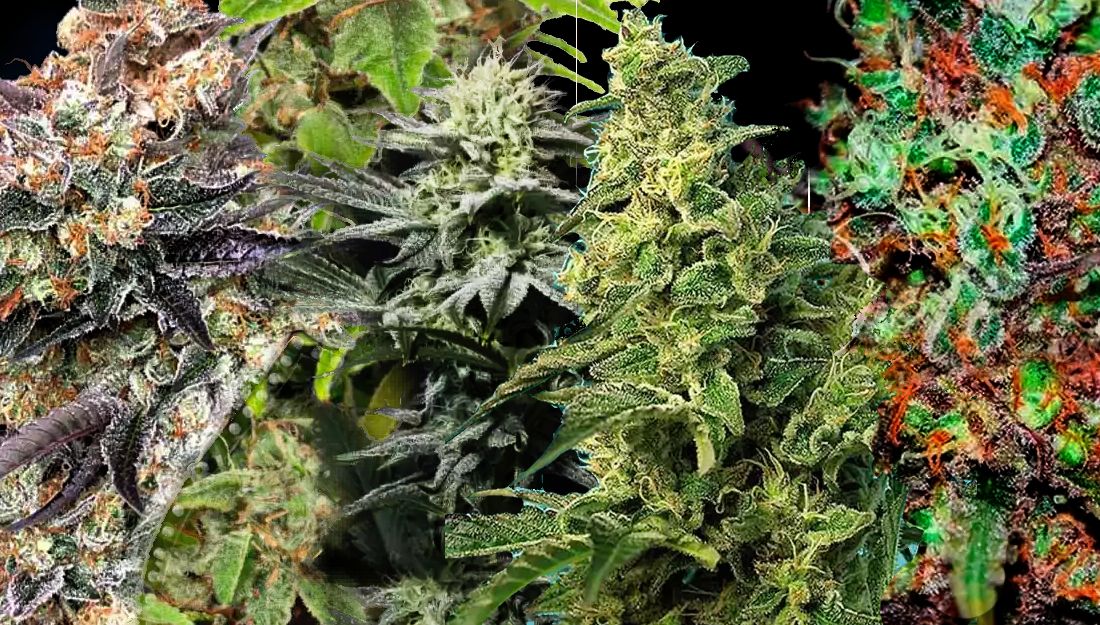

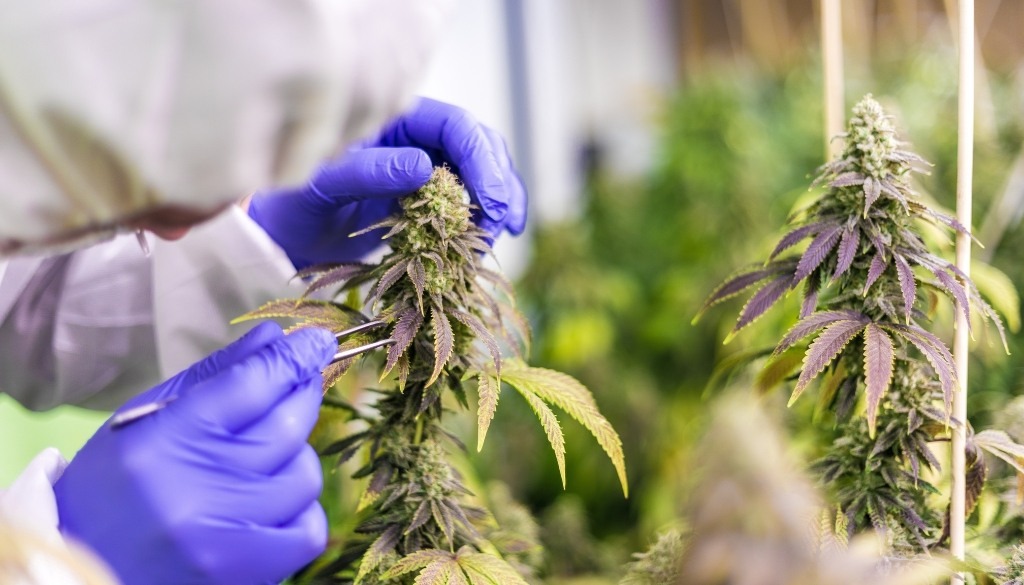
Cannabis, a plant with a rich history of use across the world, has been embraced in Canada in recent years due to its therapeutic and recreational benefits. As the cannabis industry in Canada continues to grow, attention has also shifted to the history of cannabis cultivation in the country, particularly regarding native or indigenous cultivars. These strains are unique due to their specific growing conditions, their relationship to the land, and their effects on the consumer. In this blog post, we’ll explore cannabis cultivars indigenous to Canada, focusing on traditional cultivation methods and modern breeding efforts to create unique cannabis strains.
The Origins of Cannabis in Canada
Cannabis has a deep-rooted connection with many cultures around the world, but in Canada, it was traditionally grown by Indigenous peoples, although not always for recreational or medicinal use as we understand it today. Prior to the 20th century, Indigenous peoples used various plant species for medicinal, spiritual, and practical purposes. However, cannabis was not a common or prominent crop across all Indigenous communities in Canada. That being said, the cannabis plant began to make its way into Canada in the 1800s, with the widespread use of hemp for textiles, paper, and other industrial products.
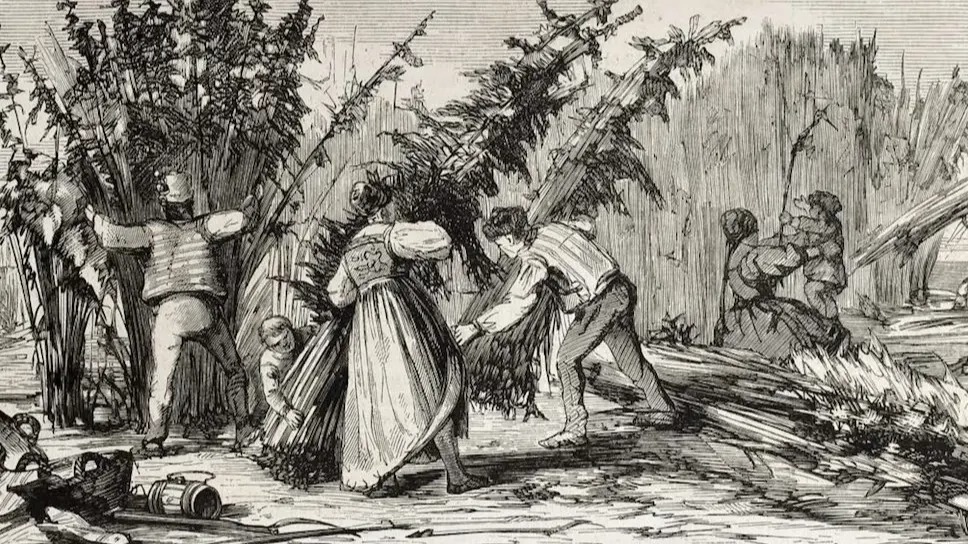
While hemp was historically cultivated for its fiber, the varieties of cannabis we see today—particularly those focused on THC and CBD content—are the result of more recent breeding efforts, especially since cannabis became legalized for recreational and medicinal use in Canada in 2018.
Traditional Cannabis Cultivation in Canada
Before the commercial cannabis industry took off, Indigenous peoples in Canada cultivated various plants for medicinal, food, and ceremonial purposes. These practices included utilizing native plants in spiritual rituals, and sometimes these plants would be selectively bred for specific traits.
The Role of Cannabis in Indigenous Traditions
Although cannabis was not a staple plant in Indigenous culture historically, there are reports of its ceremonial use among certain communities. Indigenous peoples used a wide range of natural remedies derived from local plants for medicinal purposes, but cannabis was not prominently featured in these practices. However, modern Indigenous farmers and breeders are revisiting cannabis cultivation with a deep respect for traditional agricultural methods.
Indigenous Contributions to Modern Cannabis Breeding
As the cannabis market expanded in Canada, some Indigenous communities began to explore cannabis cultivation, combining modern techniques with traditional knowledge. One example is the cultivation of Indigenous cannabis strains bred for specific effects, such as pain relief, relaxation, and anti-inflammatory properties. These strains often retain characteristics of native cannabis plants, with an emphasis on the natural relationship between the land and the crop.
The Evolution of Cannabis Breeding in Canada
With cannabis legalization in Canada, modern breeding programs have led to the development of a wide variety of cannabis cultivars. These cultivars, bred for specific effects, appearance, and growth conditions, are increasingly being tailored to suit Canadian climates and consumer preferences.
Climate and Geography: Impact on Cannabis Cultivars in Canada
Canada’s vast geography presents a unique challenge for cannabis cultivators. The diverse climates—from the temperate climates of the west coast to the harsher winters in the northern and prairie regions—require specialized breeding efforts. These factors have influenced the development of cannabis cultivars adapted to specific regions in Canada.
For instance, breeders may select for cold tolerance in the northern cultivars or sun-loving, hearty strains in the warmer climates. A key consideration in breeding these strains is not only the plant’s resilience but also its THC and CBD profiles, ensuring the plant remains potent and effective under various environmental conditions.
Hybridization: Blending Traditional and Modern Cannabis Strains
Modern cannabis breeding often involves the hybridization of traditional cannabis strains with modern, high-THC or high-CBD varieties. The goal is to create robust plants that are adapted to Canadian conditions while still maintaining desirable traits such as high yields, rich terpene profiles, and a balanced cannabinoid content.
In Canada, some of the most popular strains, like “BC Bud” from British Columbia, have evolved from a blend of local cannabis cultivars and modern hybrids. These strains often exhibit qualities that cater to both recreational users and medical patients, such as pain relief and mood elevation.
Preserving Indigenous Cannabis Varieties
As the cannabis industry continues to expand, there is growing interest in preserving traditional cannabis genetics. Cannabis cultivars indigenous to Canada have the potential to carry genetic markers that may provide unique traits, such as enhanced resistance to pests, better cold tolerance, and distinct flavor profiles. The process of preserving these strains through controlled breeding programs is becoming more important as the desire for “authentic” cannabis experiences grows.
Organizations and Indigenous-led initiatives are beginning to focus on preserving and reviving traditional Canadian cannabis cultivars, ensuring that unique genetic lines are maintained for future generations. These efforts involve working closely with Indigenous knowledge keepers to understand the plant’s history and reintroduce it in ways that align with both traditional and modern agricultural practices.
The Future of Indigenous Cannabis Cultivars in Canada
The future of cannabis in Canada seems intertwined with both traditional and modern breeding practices. As the industry matures, there is a growing recognition of the importance of genetic diversity in cannabis cultivation.
Sustainability and Eco-Friendly Cultivation
In the quest for sustainable practices, Indigenous knowledge of land stewardship is playing a significant role in modern cannabis cultivation. By blending traditional knowledge with modern eco-friendly techniques, breeders are focusing on reducing the environmental impact of cannabis cultivation. This includes using organic farming practices, reducing water usage, and implementing techniques such as companion planting, which can benefit both the cannabis plants and the surrounding ecosystem.
Increasing Consumer Demand for Local and Authentic Cannabis
As the cannabis market in Canada continues to evolve, consumers are becoming more discerning about the products they choose. The desire for cannabis that is grown locally, with a focus on sustainability and authenticity, is increasing. Consumers are looking for products that tell a story—whether that’s the story of Indigenous cultivation practices or the story of unique Canadian genetics.
In response to this demand, more cultivators are focusing on regional strains and collaborating with Indigenous communities to bring these traditional cannabis varieties back into the market. These efforts not only celebrate the unique history of cannabis in Canada but also contribute to the growth of a more diverse and sustainable industry.
Conclusion
Cannabis cultivars indigenous to Canada represent a fascinating intersection of tradition and modernity. While cannabis was not historically a staple plant for all Indigenous communities, modern breeders and Indigenous farmers are working together to revive and preserve native cannabis strains. By blending traditional knowledge with contemporary breeding techniques, they are contributing to the development of a unique and sustainable cannabis industry in Canada.
As cannabis cultivation in Canada continues to grow and evolve, the appreciation for local, authentic, and sustainable strains is likely to increase. Whether you are a cannabis consumer, grower, or enthusiast, understanding the historical and contemporary efforts behind these indigenous cultivars adds a rich layer to the experience of Canadian cannabis.