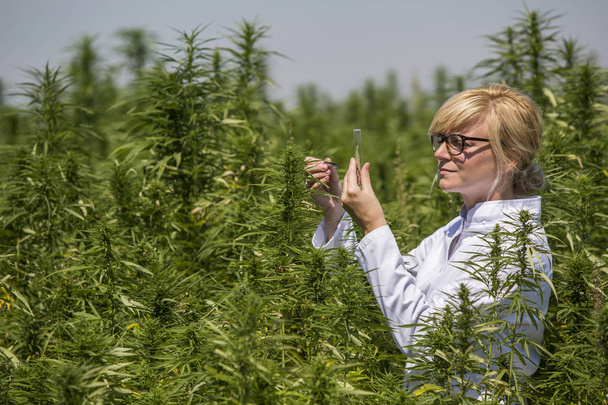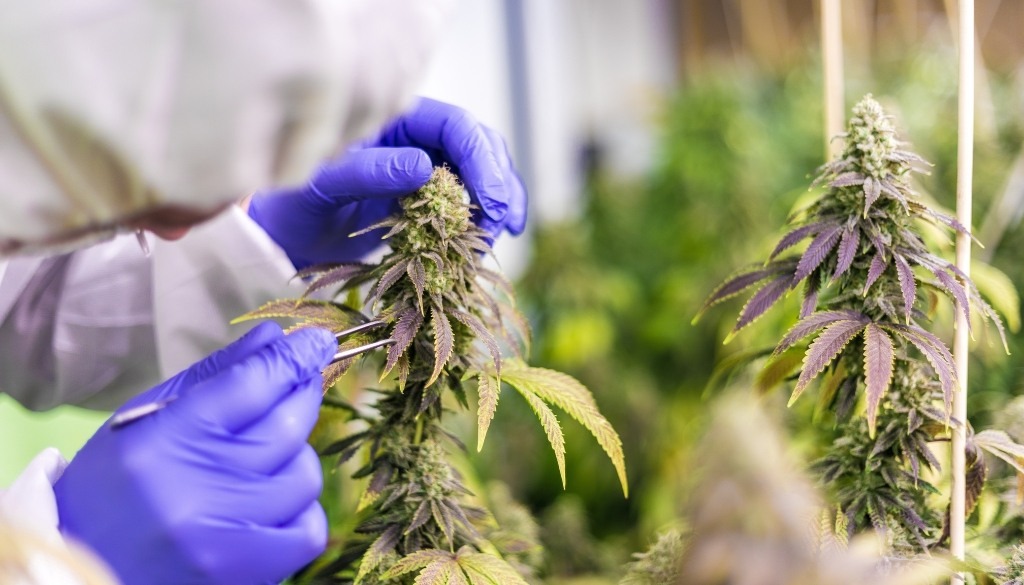

The cannabis industry is undergoing rapid transformation, especially in the field of cultivation. As legalization spreads across the globe, the demand for high-quality cannabis continues to rise, prompting innovations and new trends in growing techniques. From advanced technology to sustainability practices, the future of cannabis cultivation is poised to change how we approach agriculture, environmental concerns, and business operations in the cannabis space.
In this blog post, we will explore the latest trends and innovations in cannabis cultivation, highlighting how these developments are shaping the industry and contributing to more efficient, sustainable, and effective growing practices.
The Rise of Technology in Cannabis Cultivation
In recent years, the role of technology in cannabis cultivation has grown significantly. With the legalization of cannabis in several regions, the need for large-scale cultivation operations has led to an increased reliance on cutting-edge technologies. These technologies not only increase yields but also improve the quality of the crop and reduce costs for cultivators.
Automation and AI Integration
One of the most prominent trends in cannabis cultivation is the use of automation and artificial intelligence (AI) to streamline the growing process. Cultivators are increasingly turning to automated systems to manage irrigation, temperature control, lighting, and even harvesting. By automating these tasks, cannabis growers can reduce labor costs and minimize human error, leading to more consistent and efficient production.
AI is also being used to monitor the health of cannabis plants. Advanced algorithms can analyze data collected from sensors placed in the grow environment, helping farmers detect early signs of disease or stress in their crops. This proactive approach enables cultivators to take preventive measures, reducing the risk of crop loss and ensuring healthier, higher-quality plants.
Vertical Farming and Indoor Growing
With the increasing demand for cannabis and limited space for traditional outdoor cultivation, vertical farming and indoor growing techniques are becoming more prevalent. Vertical farming allows cultivators to grow cannabis in stacked layers, making better use of space. This method is especially beneficial for urban areas where land is scarce.
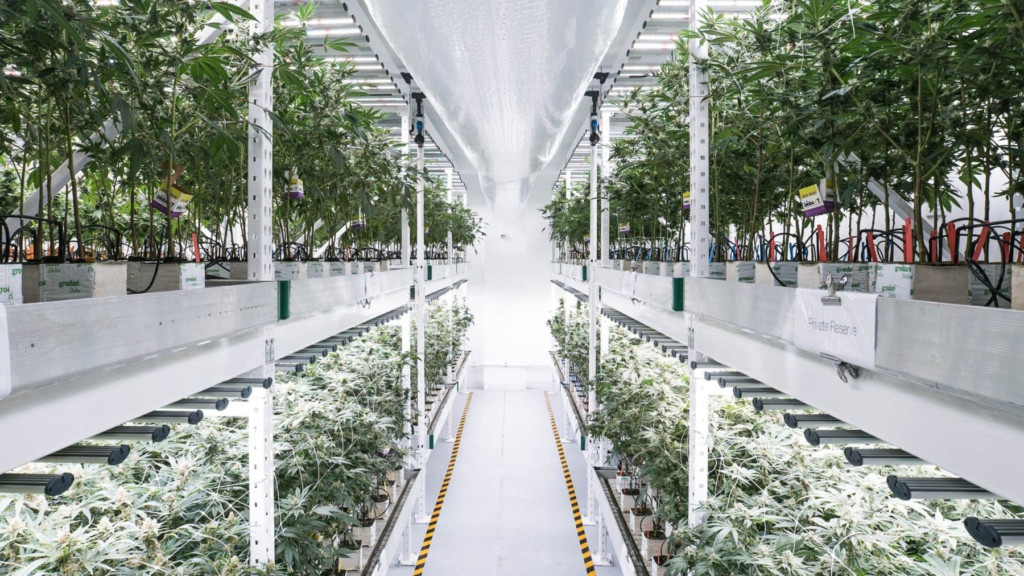
Indoor growing, on the other hand, offers greater control over the growing environment. Cultivators can regulate light, temperature, humidity, and CO2 levels, creating the perfect conditions for plant growth. Advanced lighting systems, such as LED grow lights, have become increasingly efficient, offering growers the ability to replicate natural sunlight and optimize photosynthesis for enhanced plant growth.
Sustainability in Cannabis Cultivation
As the cannabis industry grows, so does the focus on sustainability. The environmental impact of large-scale cannabis cultivation, particularly energy consumption and water usage, has been a subject of concern. Fortunately, there are several innovations aimed at reducing the carbon footprint of cannabis cultivation, making it more environmentally friendly.
Water Conservation Techniques
Water consumption is one of the biggest challenges in cannabis cultivation, especially in areas where water resources are limited. Innovations in irrigation systems, such as drip irrigation and hydroponics, are helping to address this issue. These systems allow for more precise control over water delivery, reducing waste and ensuring that plants receive the optimal amount of water.
Hydroponic systems, which use a nutrient-rich solution instead of soil, are gaining popularity in cannabis cultivation. These systems use less water than traditional soil-based growing methods and allow for more efficient nutrient absorption. As water scarcity becomes a more pressing issue, hydroponic systems are likely to play a crucial role in the future of cannabis cultivation.
Renewable Energy and Greenhouses
Energy consumption is another major concern for cannabis growers, particularly in indoor facilities that require artificial lighting and temperature control. To address this, many cultivators are turning to renewable energy sources such as solar, wind, and hydroelectric power. Solar-powered greenhouses are becoming more common, allowing growers to harness the sun’s energy to power their operations. This not only reduces energy costs but also lowers the environmental impact of cannabis cultivation.
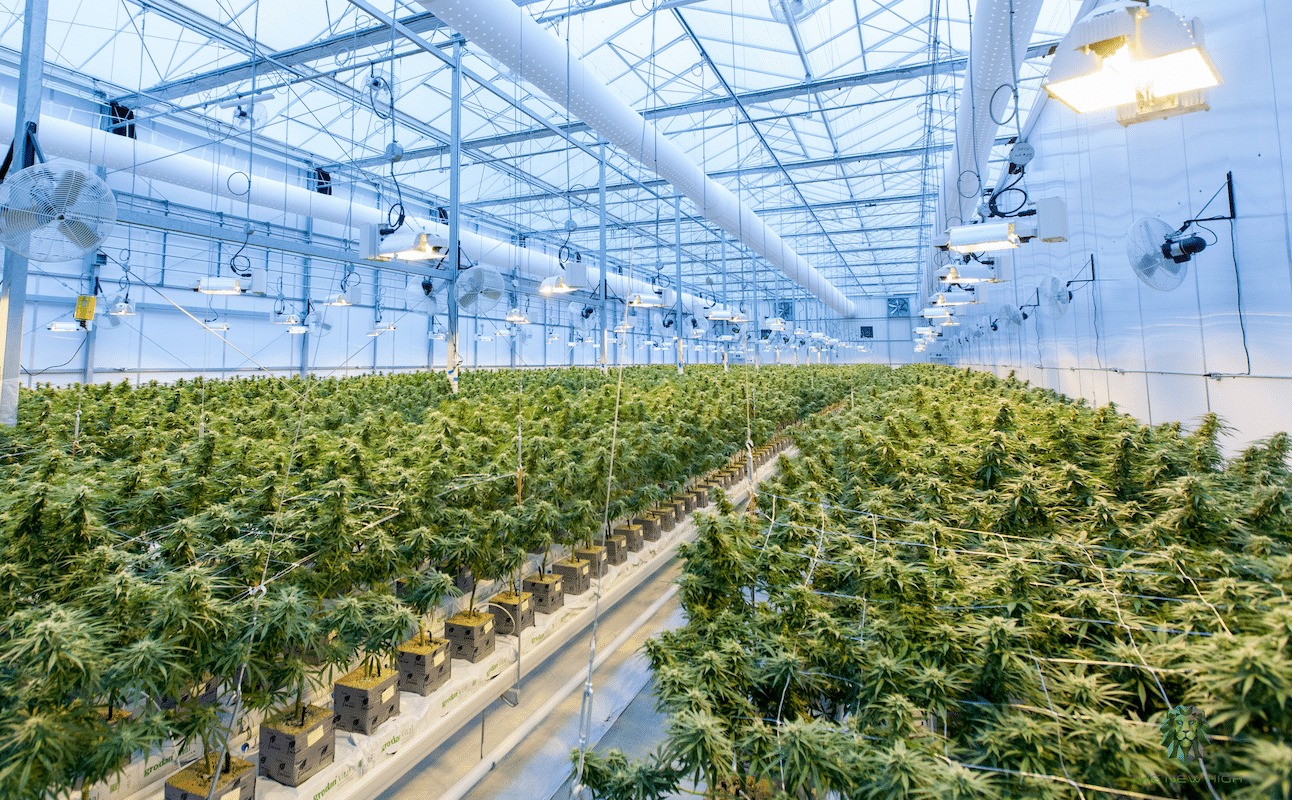
The use of greenhouses is also on the rise, offering a more energy-efficient alternative to traditional indoor growing. Greenhouses allow cultivators to take advantage of natural sunlight while still maintaining control over the growing environment. By combining greenhouse technology with renewable energy, cultivators can reduce their reliance on non-renewable resources and create a more sustainable growing system.
Genomic Innovations and Plant Breeding
As the cannabis industry matures, the role of plant genetics and breeding innovations is becoming increasingly important. Advances in genomics are allowing cultivators to better understand the genetic makeup of cannabis plants, leading to the development of new strains with improved characteristics.
Genetic Modification and Precision Breeding
One of the most exciting innovations in cannabis cultivation is the use of genetic modification (GM) and precision breeding techniques. These methods allow breeders to create cannabis strains with specific traits, such as higher potency, greater resistance to pests, or improved yields.
Gene-editing technologies, such as CRISPR, are being explored for their potential to enhance cannabis plant genetics. By precisely editing the DNA of cannabis plants, scientists can create strains with desirable traits without the need for traditional crossbreeding methods. This could lead to more consistent and predictable cannabis crops, benefiting both cultivators and consumers.
Cannabis Seed Banks and Preservation
Seed banks are also becoming more important in the cannabis cultivation process. These facilities store and preserve cannabis seeds for future use, ensuring that valuable genetic material is protected and can be accessed when needed. With the increasing popularity of cannabis, the preservation of rare and unique strains is crucial to maintaining genetic diversity in the industry.
Seed banks are also helping to advance breeding programs by providing access to a wide range of genetics. This allows breeders to experiment with new combinations and develop strains that meet the needs of the market. As cannabis cultivation continues to evolve, seed banks will play a key role in preserving the genetic integrity of the plant.
The Future of Cannabis Cultivation: A Sustainable and Tech-Driven Industry
The future of cannabis cultivation is undoubtedly shaped by technology, sustainability, and innovation. As the industry grows, it is becoming increasingly important to focus on more efficient, environmentally friendly, and sustainable growing practices. From automation and AI to vertical farming and renewable energy, the innovations happening in the cannabis cultivation space are paving the way for a greener, more efficient future.
As cultivators continue to embrace new technologies and practices, they will be able to meet the growing demand for cannabis while minimizing their environmental impact. With the ongoing advancements in plant breeding, water conservation, and energy efficiency, the future of cannabis cultivation is not only promising but also increasingly sustainable.
Whether you’re a cannabis cultivator, enthusiast, or industry stakeholder, staying up to date on these trends and innovations will be crucial for success in this rapidly evolving industry. By adopting sustainable practices and leveraging the latest technologies, the cannabis industry can continue to thrive while contributing to a healthier planet.