
Introduction
When it comes to cannabis and its growing role in wellness, the two most talked-about compounds are CBD (cannabidiol) and THC (tetrahydrocannabinol). Both of these natural chemicals are found in cannabis plants, and although they come from the same source, they have very different effects on the mind and body. For anyone interested in using cannabis-based products for health or lifestyle reasons, understanding the difference between CBD and THC is essential.
This guide breaks down what sets these two cannabinoids apart, how they interact with your body, the benefits they offer, their legal status—especially in India—and why these differences really matter when choosing a product.
What Are CBD and THC?
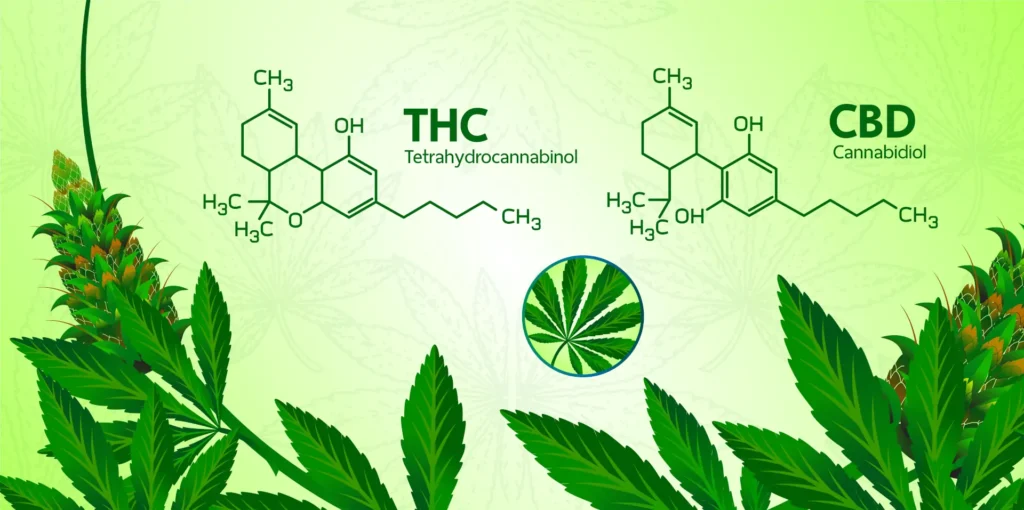
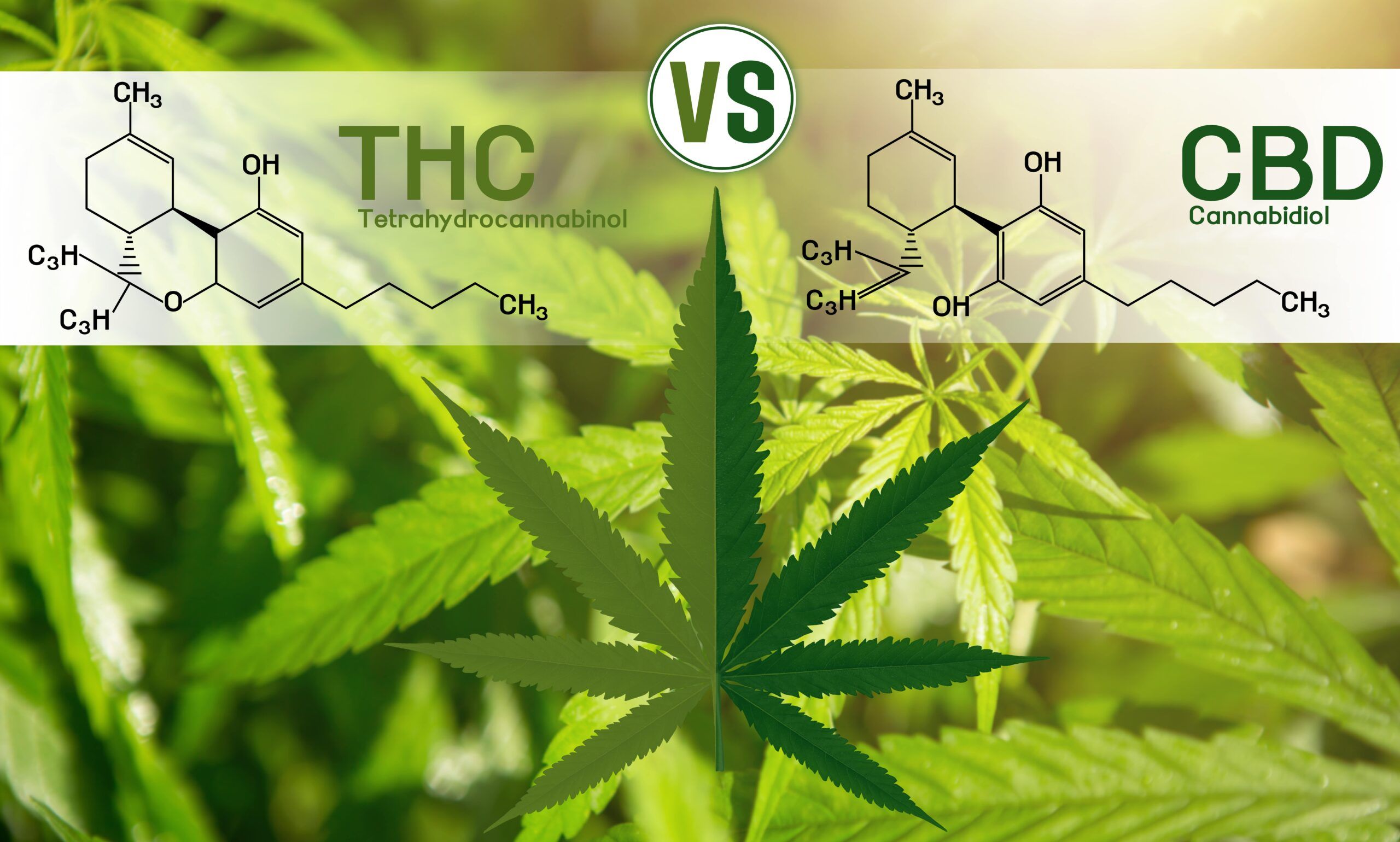
CBD and THC are both cannabinoids—chemical compounds found naturally in the cannabis plant. They are two of over 100 cannabinoids that have been identified so far. Despite having a similar molecular structure, CBD and THC act very differently in the body. That’s because they interact with cannabinoid receptors in different ways.
CBD, or cannabidiol, is non-intoxicating. It interacts indirectly with the body’s endocannabinoid system (ECS), which plays a role in regulating mood, sleep, immune response, and pain. CBD is believed to enhance the body’s natural ability to maintain balance (homeostasis) without producing a “high.”
THC, or tetrahydrocannabinol, on the other hand, is the primary psychoactive component of cannabis. It binds directly to the CB1 receptors in the brain, causing euphoria or altered perception. This is the compound responsible for the feeling of being “high” when someone uses marijuana.
Psychoactive Effects: The Biggest Difference
The most obvious difference between CBD and THC lies in their psychoactive properties. THC has mind-altering effects, while CBD does not. When THC enters the body, it binds to cannabinoid receptors in the brain that influence mood and perception. This is what produces the high commonly associated with recreational marijuana use.
CBD does not create any kind of intoxicating or euphoric sensation. In fact, some research suggests that CBD may help counteract the psychoactive effects of THC by preventing it from binding too strongly to receptors. This makes CBD a more suitable option for those who want the benefits of cannabis without the mental fog, dizziness, or high.
For people who need to remain clear-headed—such as students, professionals, or those sensitive to THC—CBD is often the preferred choice. This distinction is particularly important for users who want to integrate cannabis-based products into their daily routines without experiencing a mental or emotional shift.
Legal Status: Where CBD and THC Stand
The legality of CBD and THC varies from country to country—and in India, the situation is still evolving. CBD that is derived from industrial hemp and contains less than 0.3% THC is generally considered legal in India under certain conditions. These products must adhere to AYUSH (Ayurveda, Yoga & Naturopathy, Unani, Siddha and Homoeopathy) guidelines and are often sold as wellness supplements.
THC, however, remains a controlled substance in India. Under the Narcotic Drugs and Psychotropic Substances (NDPS) Act, recreational cannabis use is illegal. While certain forms of cannabis, like bhang (used during Holi or other traditional celebrations), are tolerated in some Indian states, THC-rich products like marijuana and hashish are strictly prohibited for general use.
Medical cannabis that contains THC may be available under prescription and regulatory approvals, but it is not widely accessible. For consumers in India, this makes CBD a more viable and legally safe option for wellness and therapeutic use.
Medical Benefits: How They Help the Body
Both CBD and THC have shown potential therapeutic effects, but they tend to serve different purposes. CBD is often used for its calming, anti-inflammatory, and neuroprotective properties. Studies suggest that CBD may help reduce anxiety, improve sleep quality, alleviate chronic pain, and even help control seizures in conditions like epilepsy.
THC, on the other hand, is more commonly used in medical settings for its pain-relieving and appetite-stimulating effects. Patients undergoing chemotherapy, for example, may use THC to reduce nausea and regain appetite. It is also used in treating severe or chronic pain, muscle spasticity, and conditions like glaucoma.
What’s interesting is that in many full-spectrum cannabis products, CBD and THC work together in what is called the “entourage effect.” This theory suggests that cannabinoids are more effective when used together than in isolation. However, due to THC’s psychoactive nature and legal restrictions, many people opt for broad-spectrum or pure CBD products that do not contain THC at all.
Side Effects: What to Expect
CBD is generally well-tolerated, even in higher doses. Most users experience little to no side effects. When they do occur, they are usually mild and may include dry mouth, fatigue, changes in appetite, or slight digestive discomfort. Importantly, CBD does not impair judgment, coordination, or cognitive function, which is why it’s commonly used during the day or alongside regular routines.
THC, because of its psychoactive properties, carries a higher risk of side effects. These can include red eyes, increased heart rate, short-term memory loss, impaired coordination, and, in some cases, anxiety or paranoia. These effects are more pronounced in individuals who are sensitive to THC or who consume it in high doses. Long-term or excessive use of THC may also lead to dependence or cognitive issues in some users.
For those who are new to cannabis-based products, starting with CBD and monitoring the body’s response is usually the safest approach.
How to Choose Between CBD and THC
Deciding whether to use CBD or THC depends on your goals, comfort level, and the legal options available to you. If you’re looking for support with stress, sleep, inflammation, or general well-being without altering your mental state, CBD is a great option. It’s especially ideal for beginners or those living in regions with strict cannabis laws, like most parts of India.
THC may be more effective for certain medical conditions, particularly when other treatments haven’t worked. However, it should only be used where it is legal and under the guidance of a healthcare professional. Because THC can impair mental clarity, it’s not recommended for those who need to stay focused or alert throughout the day.
Some users prefer to combine both compounds—where legal—to take advantage of their complementary effects. But for most Indian consumers, CBD remains the safest and most accessible choice for everyday wellness.
Common Product Types: How CBD and THC Are Used
CBD is available in a wide variety of forms, many of which are now available in India and online. These include CBD oils and tinctures, gummies, capsules, balms, creams, and even pet-friendly formulations. Oils and tinctures are especially popular because they offer flexible dosing and quick absorption. Gummies and capsules are favored for convenience and taste, while topicals are useful for localized pain or skin concerns.
THC products, where legal, are typically found in the form of dried flower for smoking, vape oils, edibles like brownies or candies, and medical-grade oils or capsules. In India, such products are heavily restricted, and access is limited to select Ayurvedic formulations or under medical supervision.
For Indian consumers looking for safe, non-intoxicating wellness options, hemp-derived CBD products are a practical and legal way to explore the benefits of cannabis without the risks associated with THC.
CBD and THC in India: A Cultural Shift
India has a deep historical connection to cannabis, with references to it appearing in ancient Ayurvedic texts. Traditionally used for spiritual and medicinal purposes, cannabis in India was never just a recreational substance. However, modern regulations have limited its use significantly.
In recent years, there has been a growing interest in CBD as a wellness tool among Indians. This shift is driven by increasing awareness of natural health alternatives and the global acceptance of cannabis in healthcare. As more Indian consumers seek relief from anxiety, insomnia, chronic pain, or lifestyle-related stress, CBD offers a promising, plant-based solution without the stigma or legal concerns tied to THC.
Ayurvedic companies and startups are beginning to explore cannabis-based formulations, and government bodies like AYUSH are gradually creating clearer guidelines for legal use. While THC remains restricted, CBD is slowly but surely entering the Indian wellness mainstream.
Also Read: CBD-Rich Strains for Wellness: What to Look for and Why It Matters
Final Thoughts
Understanding the differences between CBD and THC is crucial for anyone considering cannabis-based products, especially in India. While both compounds come from the same plant and offer therapeutic potential, their effects on the body and mind are distinctly different.
CBD is non-intoxicating, safe for daily use, and legally accessible when derived from hemp. It’s ideal for stress relief, better sleep, and general wellness. THC, though powerful in medical settings, alters mental state and remains illegal for recreational use in India.
By knowing what you’re using, how it works, and what the law allows, you can make informed choices that support your health and stay within legal boundaries. Whether you’re new to the world of cannabis or simply exploring your options, understanding CBD vs. THC is the first step toward smarter, safer wellness.