
Cannabis has come a long way from its origins as a simple plant to a wide variety of strains and products catering to various needs and preferences. For new users, the world of cannabis can be overwhelming, especially when it comes to selecting the right strain. Whether you’re seeking relief from pain, anxiety, or simply looking to relax, understanding how to choose the right cannabis strain is essential. In this blog, we’ll explore the key factors to consider when selecting a cannabis strain, as well as how to navigate the different options available.
Understanding the Basics of Cannabis Strains
Before diving into the selection process, it’s important to understand the basics of cannabis strains. Cannabis plants typically fall into three main categories: Indica, Sativa, and Hybrid. Each of these categories offers distinct effects, flavors, and benefits. Understanding these differences can help you make an informed decision about which strain is right for you.
Indica Strains
Indica strains are generally known for their relaxing and sedative effects. These strains are often associated with feelings of calm and tranquility, making them ideal for evening use or for those looking to alleviate insomnia, anxiety, or muscle tension. Indicas are also known to have higher CBD content, which can provide therapeutic effects without a strong psychoactive experience.
Sativa Strains
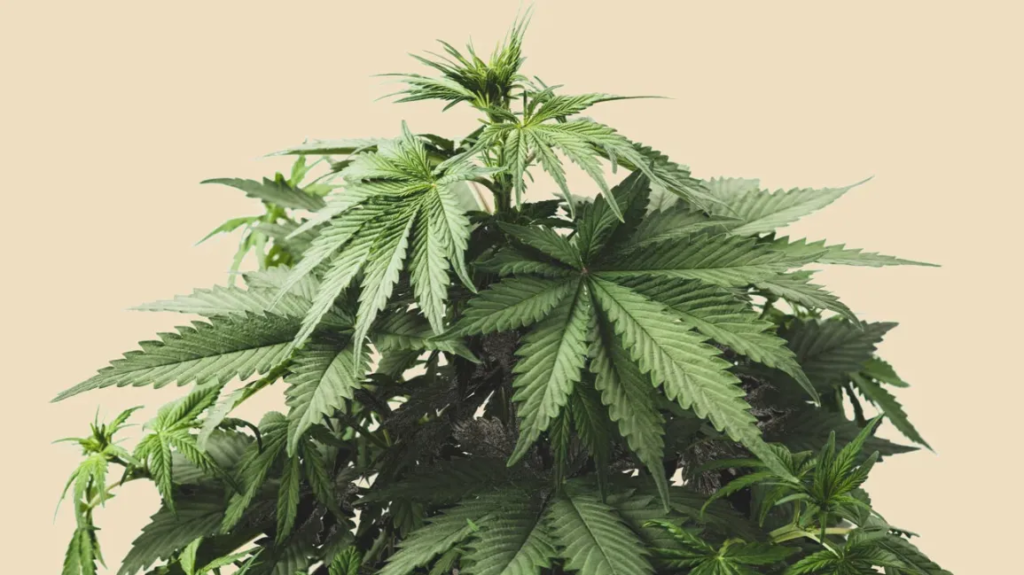
Sativa strains are often characterized by their uplifting, energizing effects. These strains are ideal for daytime use and are commonly chosen by individuals seeking relief from depression, fatigue, or low mood. Sativas are known for their cerebral, head-high effects, which make them popular for creative activities and social interactions.
Hybrid Strains
Hybrid strains are a cross between Indica and Sativa plants, designed to offer the benefits of both. Hybrids can vary in their effects depending on the dominant strain in the cross, so they can be tailored for a wide range of needs. Hybrids are great for users who want a balanced experience that combines relaxation with creativity or pain relief with energy.
Key Factors to Consider When Choosing a Cannabis Strain
When selecting a cannabis strain as a new user, it’s crucial to consider various factors to ensure the experience is pleasant and suited to your needs. These factors include your desired effect, THC and CBD content, and personal tolerance levels. Let’s explore each of these factors in more detail.
1. Determine Your Desired Effect
The first step in choosing the right cannabis strain is to understand what effect you’re looking for. Different strains produce different effects, and cannabis can impact everyone in various ways. Consider what you want to achieve:
- Relaxation or stress relief: If you’re looking for something to unwind after a long day or to manage anxiety, an Indica strain might be the best choice. These strains are known for their calming effects and can help promote relaxation.
- Increased focus or creativity: For those who need an energy boost or want to feel more creative, Sativa strains are often the go-to option. They can provide uplifting effects that can enhance focus and mental clarity.
- Balanced experience: If you’re looking for something that provides a bit of both, a Hybrid strain may be ideal. Hybrids can provide a balanced experience with both relaxing and energizing properties.
2. Consider THC and CBD Content
The two most important cannabinoids in cannabis are THC (tetrahydrocannabinol) and CBD (cannabidiol). THC is the compound responsible for the psychoactive effects (the “high”) of cannabis, while CBD provides a range of therapeutic benefits without producing any intoxicating effects.
- High THC content: If you’re a new user, it’s recommended to start with a strain that has a moderate THC content (around 10-15%). High THC strains can be overwhelming for beginners and may result in feelings of anxiety or paranoia.
- High CBD content: CBD is non-psychoactive and is often sought for its medicinal properties. CBD-rich strains are great for new users who want to experience the therapeutic effects of cannabis without the high. These strains can be particularly helpful for managing pain, anxiety, and inflammation.
- Balanced THC:CBD ratio: Many hybrid strains offer a balanced ratio of THC and CBD, providing a more moderate effect. These strains can help ease you into the cannabis experience while still delivering both relaxation and medicinal benefits.
3. Know Your Tolerance Level
Understanding your tolerance level is essential when selecting a cannabis strain. Beginners may have lower tolerance to THC, which can lead to stronger effects than expected. Starting with a strain that has lower THC content is a good idea if you’re new to cannabis. Over time, as you become more accustomed to the effects, you can gradually explore higher THC strains.
If you’re unsure about your tolerance, start with a microdose—a small amount of cannabis that allows you to gauge your reaction without overwhelming yourself. Many products, such as edibles and tinctures, offer easy-to-control dosages for beginners. Remember, it’s always better to start low and go slow.
4. The Importance of Terpenes
Terpenes are aromatic compounds found in cannabis that contribute to its flavor, aroma, and effects. While THC and CBD often take center stage, terpenes can significantly influence your overall experience. Some terpenes have calming effects, while others can provide energy or focus. Popular terpenes to look out for include:
- Myrcene: Often found in Indica strains, this terpene has a musky, earthy aroma and is known for its sedative and relaxing effects.
- Limonene: Commonly found in Sativa strains, this terpene has a citrusy scent and can provide uplifting, mood-enhancing effects.
- Linalool: Found in both Indica and hybrid strains, this terpene has a lavender aroma and is known for its calming and anti-anxiety properties.
By considering the terpenes present in a strain, you can better predict the effects and choose one that aligns with your preferences.
Tips for New Users When Choosing Cannabis Strains
Choosing the right cannabis strain as a new user can feel daunting, but with the right approach, it can be an enjoyable and rewarding experience. Here are a few tips to help you get started:
1. Start with Low THC Strains
As mentioned earlier, high-THC strains can be overwhelming for new users. Opt for strains with moderate THC content, typically ranging from 10% to 15%. These strains offer a balanced experience that allows you to gauge your reaction before trying stronger strains.
2. Consider CBD-Rich Strains
If you’re new to cannabis and want to avoid the psychoactive effects, look for CBD-rich strains. These strains can offer therapeutic benefits such as pain relief and anxiety reduction without the intense high associated with THC.
3. Start with Small Doses
Whether you’re smoking, vaping, or using edibles, always start with a small dose and give it time to take effect. Cannabis can take anywhere from 30 minutes to 2 hours to fully affect the body, especially with edibles, so be patient and avoid consuming more too quickly.
4. Choose Strains Based on Your Specific Needs
Consider your health goals and what you want to achieve with cannabis. For example, if you’re seeking relief from pain or insomnia, an Indica-dominant strain with higher CBD content might be ideal. If you’re looking for energy and focus, a Sativa strain could be more appropriate.
Conclusion
Choosing the right cannabis strain for a new user requires careful consideration of factors such as your desired effect, cannabinoid content, tolerance, and terpene profiles. By understanding your personal preferences and needs, you can select a strain that provides a positive and enjoyable experience. Start with lower-THC strains, pay attention to CBD levels, and don’t forget the importance of terpenes in shaping the effects. With time and experience, you’ll become more familiar with the world of cannabis, finding the strains that work best for you. Remember, it’s always better to start slow and gradually increase your dosage as you become more comfortable with cannabis.